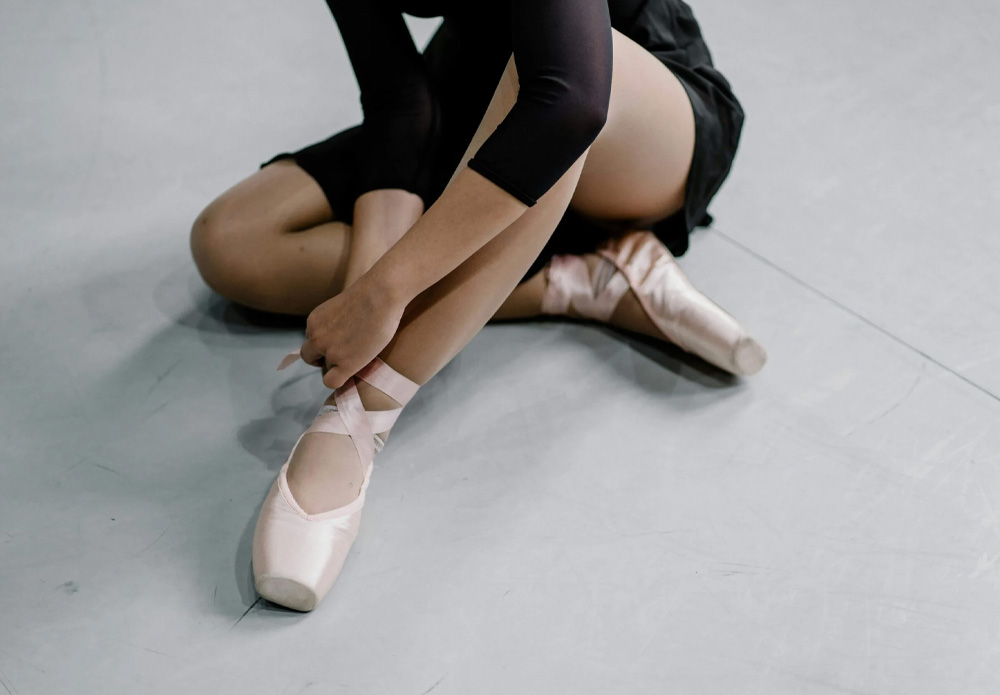
However, the transition to dancing en pointe also comes with significant challenges and risks. Without proper preparation, dancers can face injuries that not only hinder their progress but can also threaten their ability to continue dancing. Injury prevention is crucial for maintaining a long and healthy dance career, especially when mastering the art of dancing en pointe. Here are key tips, exercises, and advice from Isabella McGuire Mayes, founder of Ballet With Isabella.
Key Injury Prevention Tips
Proper Technique
One of the most critical factors in preventing injuries when going en pointe is proper technique. En pointe demands precise alignment and control, which requires dancers to have a solid understanding of ballet fundamentals. Incorrect alignment or poor form can place excessive stress on the feet, ankles, knees, and hips, leading to injuries such as stress fractures, tendonitis, or sprains.
To ensure proper technique, dancers should focus on the following:
- Alignment: Keep the shoulders, hips, knees, and ankles in a straight line. This alignment helps distribute weight evenly across the foot, reducing the risk of injury.
- Weight Placement: Ensure that your weight is centred over the first two toes when en pointe. This positioning supports the arches and prevents excessive strain on the ankles.
- Strength in the Core and Legs: A strong core and leg muscles help maintain balance and control, allowing you to rise en pointe with precision and stability.
Working with a qualified ballet instructor like Isabella McGuire Mayes who can provide feedback on your technique is essential. They can help you identify areas of improvement and ensure that you are practising safely.
Strength and Conditioning for Ballet Injury Prevention
Strength and conditioning are foundational elements for injury prevention when going en pointe. The muscles in your feet, ankles, hips, and knees need to be strong enough to support your body weight and the demands of en pointe work. Without sufficient strength, dancers are more susceptible to injuries due to instability or overuse.
Key areas to focus on include:
- Foot and Ankle Strength: Foot exercises such as relevés, TheraBand work, and foot stretches can help build the strength needed to support the arches and ankles.
- Hip and Knee Strength: Strengthening the muscles around the hips and knees is crucial for maintaining proper alignment and preventing overcompensation, which can lead to injuries.
- Core Stability: A strong core supports balance and alignment, making it easier to maintain control while en pointe.
Incorporating strength and conditioning exercises into your regular training routine is vital. These exercises should be tailored to your individual needs and progression level to ensure that you are building the necessary strength without overexerting yourself.
Warm-Up and Stretching
A thorough warm-up is essential before practising en pointe. Warming up increases blood flow to the muscles, making them more pliable and less prone to injury. It also prepares the body for the demands of en pointe work, helping to prevent strains and other injuries.
A good warm-up should include:
- Dynamic Stretching: Movements such as leg swings, ankle rolls, and light relevés help to gradually increase flexibility and range of motion.
- Foot and Ankle Mobility: Focus on exercises that increase mobility in the feet and ankles, such as toe curls and demi-pointe exercises.
- Full-Body Engagement: Engage the entire body with exercises like pliés and tendus to activate all the major muscle groups.
In addition to warming up, stretching after class or rehearsal is also important. Stretching helps to lengthen muscles that may have tightened during practice, reducing the risk of injury and promoting recovery. At our online ballet studio, we offer several warm-up classes, including a warm-up routine class and warm-up and stretch workout class.
Listening to Your Body
One of the most important aspects of injury prevention is listening to your body. Dancers often push themselves to achieve perfection, but ignoring pain or fatigue can lead to serious injuries. It’s important to recognise the difference between normal muscle soreness and pain that signals an injury.
- Recognise Pain Signals: Sharp or persistent pain is a sign that something is wrong. If you experience pain while practising en pointe, stop and consult with a medical professional or your ballet instructor.
- Avoid Overtraining: Rest is an essential component of injury prevention. Overtraining can lead to overuse injuries, which can be debilitating and require extended periods of recovery.
- Take Breaks: Allow time for rest and recovery between intense training sessions. This helps prevent burnout and ensures that your body has time to heal and strengthen.
By paying attention to your body’s signals and avoiding overexertion, you can reduce the risk of injuries and ensure that you can continue dancing en pointe for years to come. It’s also a good idea to try complimentary exercise routines to build strength without over-training, like yoga for dancers, which aims to build a stronger mindset, mind-body connection, and support injury prevention.
Ballet With Isabella’s Injury Prevention Courses
To help dancers prepare for the demands of en pointe work, Ballet With Isabella offers specialised injury prevention courses. These courses are designed to strengthen the key areas needed for safe and effective en pointe practice.
- Injury Prevention: Foot and Ankle Course: This course focuses on exercises and techniques to build strength and flexibility in the feet and ankles. It provides targeted training to support the arches and improve ankle stability, both of which are essential for preventing injuries en pointe.
- Hip and Knee Injury Prevention Course: This course emphasises strengthening the muscles around the hips and knees, ensuring proper alignment and reducing the risk of overuse injuries. It also includes exercises to improve flexibility and mobility, which are crucial for safe en pointe practice.
These courses offer professional guidance and are suitable for dancers at various levels, from beginners to advanced. By enrolling in Ballet With Isabella’s injury prevention courses, you can take proactive steps to protect yourself from injuries and enhance your en pointe technique.
Stay Injury-Free En Pointe with Our Online Ballet Studio
Preventing injuries when going en pointe is vital for any ballet dancer who wants to maintain a long and healthy dance career. By focusing on proper technique, strength and conditioning, thorough warm-ups, and listening to your body, you can reduce the risk of injuries and enjoy the beauty of dancing en pointe. Ballet With Isabella’s injury prevention courses are an invaluable resource for dancers looking to strengthen their bodies and practice safely en pointe. Explore these courses today and take the next step in your ballet journey with confidence and strength.
Sign up for your 14 day free trial today and experience what our ballet studio has to offer. You are also very welcome to join us through our affordable soloist membership plan – get 20% off annual fees!