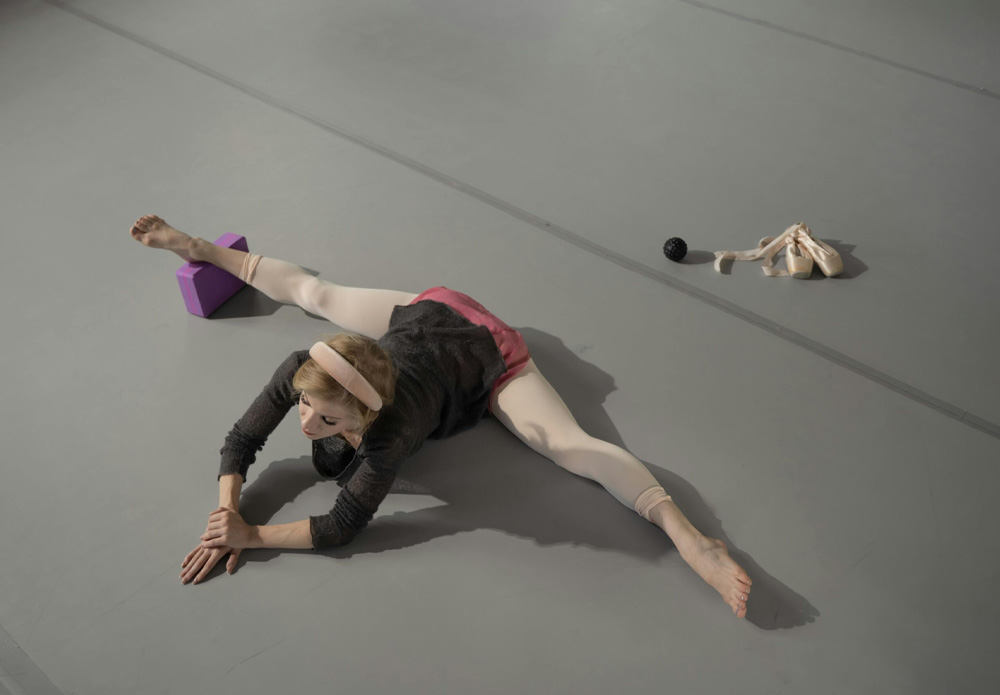
From leotards to leg warmers and pointe shoes to Pilates balls, having the proper wardrobe and equipment makes a world of difference.
At Ballet With Isabella, we believe that the right setup not only supports your training but also elevates your experience. Let’s cover everything you need to build a complete and functional ballet kit. The perfect start for learning about dance equipment for home or in a studio.
Starting with the basics: Ballet clothes
Ballet clothes are designed with both function and form in mind. They’re not just about aesthetics, they allow your body to move freely, ensure proper alignment, and let instructors see your lines clearly. Here’s what most dancers start with:
Leotards
The leotard is the foundation of ballet wear. Typically form-fitting and sleeveless (though there are long-sleeve versions too), leotards come in a wide range of colours, cuts, and fabric types. For class, stick with solid colours unless otherwise stated by your teacher. For rehearsals and auditions, black is often preferred.
Tights
Ballet tights differ from regular fashion tights. They’re made with more durability and stretch, and they often come in pink, white, or nude tones. Convertible tights (with a hole under the foot) are especially popular, as they let you switch between bare feet and shoes with ease.
Skirts and wraps
While not always mandatory, chiffon or mesh skirts can help dancers get into a more expressive mindset, especially during variations or lyrical combinations. Wrap skirts are a classic choice and easily adjustable.
Warm-ups
Think leg warmers, ballet sweaters, and knit shorts. These pieces help keep your muscles warm during the beginning of class or between rehearsals. They’re also a great way to show a bit of personality in an otherwise uniform studio setting.
Boys’ wardrobe
For male dancers, typical attire includes a fitted white or black shirt, black or navy tights, and a supportive dance belt. Ballet shoes, again, should match the chosen tights.
And remember, comfort is key. High-quality dance clothes will last longer and support your movement without getting in the way.
Ballet shoes: Finding the right fit
When it comes to ballet shoes, the fit and type really matter. They’re the literal point of contact between you and the floor. Choosing the right pair will support your development, prevent injury, and enhance your technique.
Soft ballet shoes
Ideal for beginners and intermediate dancers, these shoes are usually made from canvas or leather. Canvas tends to be more breathable, while leather offers more resistance, great for building foot strength. Most have either full or split soles; split soles offer more flexibility and are often preferred by experienced dancers.
Ballet pointe shoes
Reserved for dancers who have reached a certain level of strength and technique, ballet pointe shoes allow a dancer to rise fully onto the tips of their toes. These shoes require proper fitting by a specialist, as an ill-fitting pointe shoe can lead to injuries.
Fitting and maintenance
Always try on ballet shoes with your tights on, and make sure there’s a snug (but not painful) fit. No bunching at the toes, and your heel shouldn’t pop out when you rise to demi-pointe.
Care-wise, air them out after use and avoid washing them unless absolutely necessary. For canvas shoes, a gentle hand wash works. For leather or pointe shoes, spot clean only.
Packing like a pro: What goes in your dance bag
A well-stocked dance bag is your mobile dressing room, recovery zone, and first-aid kit all in one. Whether you’re headed to class, rehearsal, or performance, these essentials have your back.
Essentials to pack
- Extra leotard and tights (for emergencies)
- Warm-up gear
- Ballet shoes (and pointe shoes if required)
- Toe pads and tape (for pointe work)
- Reusable water bottle
- Healthy snacks (nuts, fruit, protein bars)
- Mini foam roller or massage ball
- Resistance band for stretching
- Hair accessories (pins, ties, brush)
- Small towel
- Notebook or training journal
Think of it as your dance survival kit. You’ll thank yourself later!
The power of accessories
Let’s not forget the smaller yet essential items that keep everything together. These ballet accessories might be tiny, but they make a big difference:
- Toe spacers and pads: Essential for pointe work comfort
- Rosin: For extra grip on slippery floors
- Sewing kits: For last-minute shoe adjustments
- Foot rollers: For post-class recovery
- Hair nets and clips: Because a proper bun doesn’t make itself
Keeping these on hand ensures you’re never caught off-guard before a big class or performance.
Stretching, conditioning & technique boosters
Strength and flexibility don’t just happen in class, they’re developed over time with targeted tools. Many dancers turn to dance stretching equipment to supplement their regular training.
Useful dance equipment for stretching includes:
- Stretch bands for splits and arabesques
- Yoga blocks for alignment support
- Foam rollers to release tight muscles
- Pilates balls for core activation
- Turn boards to safely practise pirouettes
These tools not only help prevent injuries but also assist in refining technique. So, if you’ve ever wondered what equipment do u need for progressing ballet technique, here’s your list!
Dressing room to performance: Putting it all together
Every dancer’s journey is personal, but having a solid foundation in your wardrobe and equipment gives you the best chance of reaching your goals. Whether you’re an absolute beginner or chasing a career on stage, your gear can help or hinder your progress.
If you’re preparing for a show or audition, make sure your clothing is in line with the requirements (usually black leotard, pink tights, and neatly sewn shoes). And don’t forget your dancing equipment for warm-ups and last-minute corrections.
Your kit, your journey
There’s no one-size-fits-all when it comes to building your ballet kit. As you grow, your needs will change, what worked in your first year won’t necessarily suit you three years in. The key is to stay informed, stay prepared, and stay inspired.
At Ballet With Isabella, we’re here to guide you every step of the way. Whether you’re setting up your equipment for ballet at home or choosing your first leotard, we’ve got the expertise to support your journey.
Ready to take the next step?
Explore our full range of online classes, technique tips, and exclusive intensives inside the Ballet With Isabella studio. From foundational tools to advanced training resources, your next breakthrough is just one class away.
Join the community. Refine your technique. Dance with purpose.
Your secret weapon to excellence starts here.