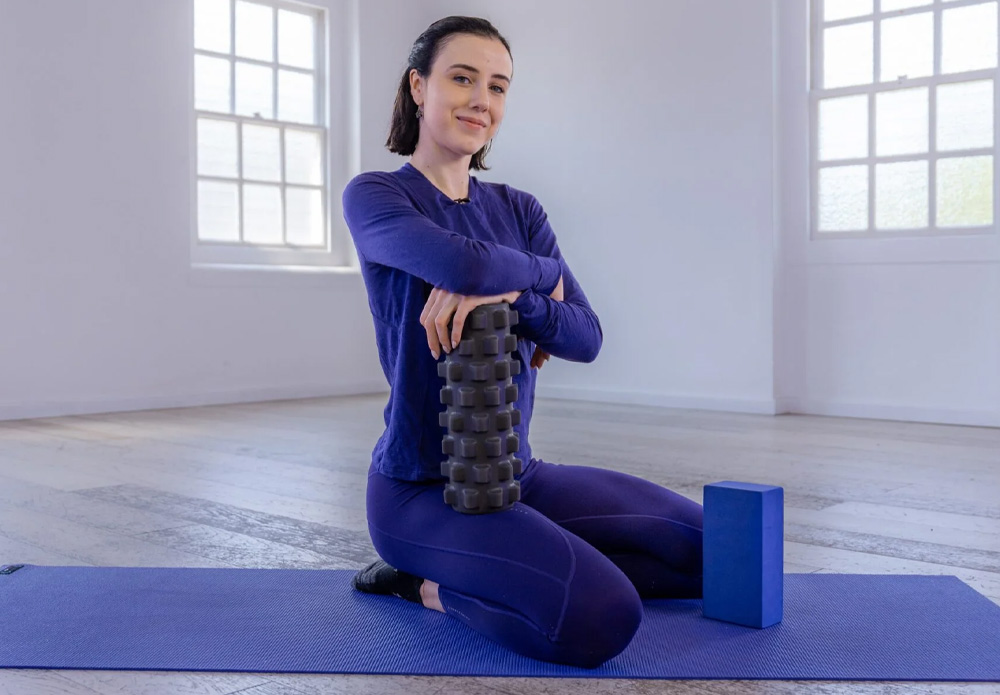
Isabella, founder of Ballet with Isabella, understands this challenge better than most. As the youngest British dancer to train at The Vaganova Ballet Academy, she brings unparalleled expertise in ballet, pointe work, and dancer conditioning.
Recognising the crucial role of recovery, she has designed a specialised Foam Roll & Recover class to help dancers unlock their flexibility, relieve muscle tightness, and improve mobility.
This class is the ultimate solution for dancers seeking to enhance their performance, prevent injuries, and optimise recovery. By incorporating foam rolling techniques into training routines, dancers can reduce soreness, improve circulation, and keep their muscles responsive and supple.
Moreover, dancers of all levels, from beginners to professionals, can benefit from these techniques. Whether recovering from a rigorous rehearsal or preparing for an upcoming performance, knowing how to care for muscles properly is vital for sustained progress and injury prevention. Without regular recovery practices, dancers may face prolonged muscle fatigue and restricted movement, impacting their overall training efficiency and artistic expression.
Why Recovery & Flexibility Matter for Dancers
Flexibility is often mistaken as merely the ability to stretch further, but true flexibility involves muscle health, mobility, and tissue responsiveness. When muscles are tight, they restrict movement and create imbalances that hinder performance. For ballet dancers, every movement, from pliés to grand jetés, requires seamless coordination between muscles and joints. Tightness in one area can lead to compensations in another, ultimately affecting precision and control.
Muscle tightness and fascia restrictions are common among dancers due to intense rehearsals and repetitive movement patterns. These issues can lead to:
- Stiffness that limits range of motion.
- Increased muscle fatigue, leading to reduced endurance.
- Elevated risk of injury due to muscle imbalances and overuse.
Foam rolling is a scientifically backed method to alleviate these issues. It works by applying pressure to muscles, breaking up knots, and promoting better circulation. This not only reduces post-training soreness but also prevents injuries and improves muscle efficiency. By incorporating foam rolling exercises into a recovery routine, dancers can keep their muscles healthy, prevent burnout, and sustain long-term success in ballet.
Additionally, improved flexibility allows for greater artistry in ballet. A well-recovered body moves with ease, fluidity, and grace, essential elements for executing demanding choreography. Without proper recovery, dancers may find themselves struggling with reduced mobility, making it harder to perform with elegance and control.
Class Highlights
Isabella’s Foam Roll & Recover class is designed specifically for dancers, ensuring a targeted approach to recovery. Through a structured programme, dancers will learn essential foam roller exercises that promote muscle elasticity, reduce tension, and support injury prevention. Key benefits include:
Targeted Muscle Recovery
Specific rolling techniques will release muscle tightness and enhance mobility for effortless movement.
Fascia & Scar Tissue Release
Learn how to break down adhesions and restore muscle elasticity, ensuring full range of motion.
Foam Rolling Techniques for Dancers
Precision exercises that focus on key muscle groups used in ballet, from calves to hip flexors.
Injury Prevention & Longevity
Reduce joint and muscle strain, minimising the risk of overuse injuries and enhancing career longevity.
Improved Performance & Energy
Proper recovery leads to increased flexibility, less soreness, and higher energy levels, allowing dancers to train with more intensity and precision.
What You’ll Learn
Dancers who join this class will gain valuable insights into muscle recovery and flexibility enhancement. The course will cover:
- Injury prevention techniques to maintain strength and balance.
- Foam rolling exercises tailored for dancers to boost flexibility and aid muscle recovery.
- How to mobilise fascia and keep scar tissue loose for optimal movement.
- Strategies to reduce muscle soreness and prevent stiffness post-training.
- Building a recovery routine that enhances performance and prevents burnout.
By mastering these techniques, dancers can optimise their training while ensuring their bodies remain resilient and adaptable.
Additionally, participants will understand the science behind myofascial release and how it influences long-term flexibility and muscle recovery. The knowledge gained from this course extends beyond foam rolling, it empowers dancers with lifelong self-care habits that support their journey in ballet.
The Science Behind Foam Rolling
Foam rolling is a form of self-myofascial release (SMR), a technique used to relieve tension in muscles and connective tissue. Studies show that foam rolling for flexibility helps improve range of motion by reducing adhesions in the fascia, the thin layer of connective tissue surrounding muscles.
When muscles are overworked, they develop knots and tight areas that limit movement. Foam roller exercises apply controlled pressure to these areas, encouraging blood flow and releasing built-up tension. This process:
- Increases oxygen delivery to muscles, speeding up recovery.
- Enhances muscle hydration, keeping tissues elastic and resilient.
- Promotes relaxation, reducing the risk of stress-related stiffness.
For dancers, the benefits are clear: improved mobility, reduced muscle fatigue, and the ability to execute movements with greater fluidity and control.
Additionally, scientific research supports the effectiveness of foam rolling for reducing delayed onset muscle soreness (DOMS). Regular use can help dancers bounce back quicker after strenuous rehearsals, ensuring consistency in training without prolonged discomfort.
How to Integrate Foam Rolling into Your Routine
Consistency is key when it comes to foam roll recovery. Incorporating these exercises before and after classes or rehearsals can make a significant difference in flexibility and overall performance.
Pre-Class Routine
- Spend 5-10 minutes on roller muscle recovery exercises to activate key muscle groups.
- Focus on loosening tight areas, such as the calves, quads, and back, to ensure smooth movement during practice.
Post-Class Routine
- Use foam rolling exercises to relieve muscle tension and promote relaxation.
- Roll out sore areas to prevent stiffness and speed up recovery for the next session.
By making foam rolling a staple in your regimen, you’ll develop healthier muscles that are more responsive, flexible, and less prone to injury.
Take Control of Your Recovery
Don’t let tight muscles hold you back from achieving your full potential. Recovery is just as crucial as training, and the right approach can elevate your ballet technique to new heights.
Isabella’s Foam Roll & Recover class is the perfect addition to your routine, providing expert guidance on how to maximise flexibility, prevent injuries, and keep your muscles in peak condition.
Start your recovery journey today! Sign up for the foam rolling class now.
Your body will thank you.